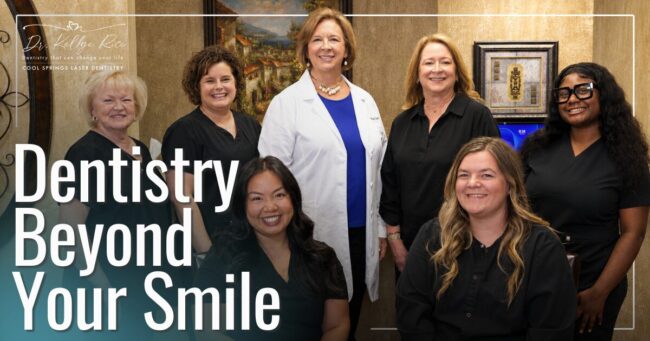
With a career spanning decades, Dr. Rice opened her practice in 1986, and over the years she’s built a reputation for both technical skill and warm, reassuring patient care. Outside the clinic, Dr. Rice is married to Jeff, and together they have three grown children: Haley, Hunter, and Hope. She has a love of theater, music, reading, and crafts (including jewelry making), and enjoys playing piano when she can. She’s also actively involved in her church and in charitable work, including long-standing support of AGAPE Nashville (now Morning Star Sanctuary), a shelter for victims of domestic violence.
Preventive appointments give us an opportunity to look for those early changes and address concerns before they have more time to progress. Preventive care includes professional cleanings and examinations for signs of gum disease as well as tooth decay and other oral health concerns.
A good night’s sleep gives your body time to rest and recover. It also gives us useful clues about how you are breathing, whether your mouth is staying comfortably moist, and how your jaw and teeth may be functioning overnight. At our office, we look at those connections because your smile is part of your overall health, not something separate from it.
A healthy smile is about more than appearance. It is about giving you the ability to eat comfortably, enjoy the foods you love, and support your overall well-being every day. If chewing has become uncomfortable or you have been avoiding certain foods because of damaged or missing teeth, we encourage you not to ignore those changes. They may be your smile’s way of telling you it needs attention.
A wellness-first approach isn’t about making dentistry more complicated. It’s about making it more meaningful. By looking beyond individual teeth and considering how everything works together, we can provide care that’s thoughtful, personalized, and focused on helping you feel your best for years to come.
Beyond your teeth and gums, routine dental visits allow us to evaluate other aspects of your oral health. During your examination, we’re looking for signs of oral cancer, infection, changes in soft tissue, bite issues, and other concerns that may not be visible or noticeable to you at home.
A patient named Joyce shared her experience with our team. In her video, she said, “Dr. Rice is the most compassionate person who met me where I was with the need I had.”
Of everything she said, that particular phrase stayed with me.
When most people think about visiting the dentist, they usually think about routine cleanings or checkups. While those appointments are important, general dentistry involves much more than that. It provides the foundation for long-term oral health and helps prevent small concerns from developing into more serious dental problems. General dentistry focuses on the everyday care…
When most people think about dental care, they focus on the basics: cleanings, checkups, and treating problems as they arise. While these services are important, your oral health is connected to much more than just your teeth. Continue reading to learn more. What Is Wellness Dentistry? Wellness dentistry is an approach to care that looks…
Dental injuries in sports are unlike most other athletic injuries, and many athletes do not realize this until they end up in a dental chair after a game. Sprained ankles and bruised shoulders will heal. A broken tooth will not. A mouthguard is one of the easiest and least disruptive pieces of protective gear an athlete can wear, yet sadly, they are underused.
Most people talk about veneers by focusing on the final result, which makes sense. The before-and-after photos are impressive, and the changes are easy to see. However, if we only look at the outcome, we miss the rest of the story: the careful planning it takes to get there. Veneers are not a quick fix but a thoughtful solution that puts you in control of your smile. Read on to learn more.